
They Bombed Our Bread

How El Fasher’s Siege Was Engineered
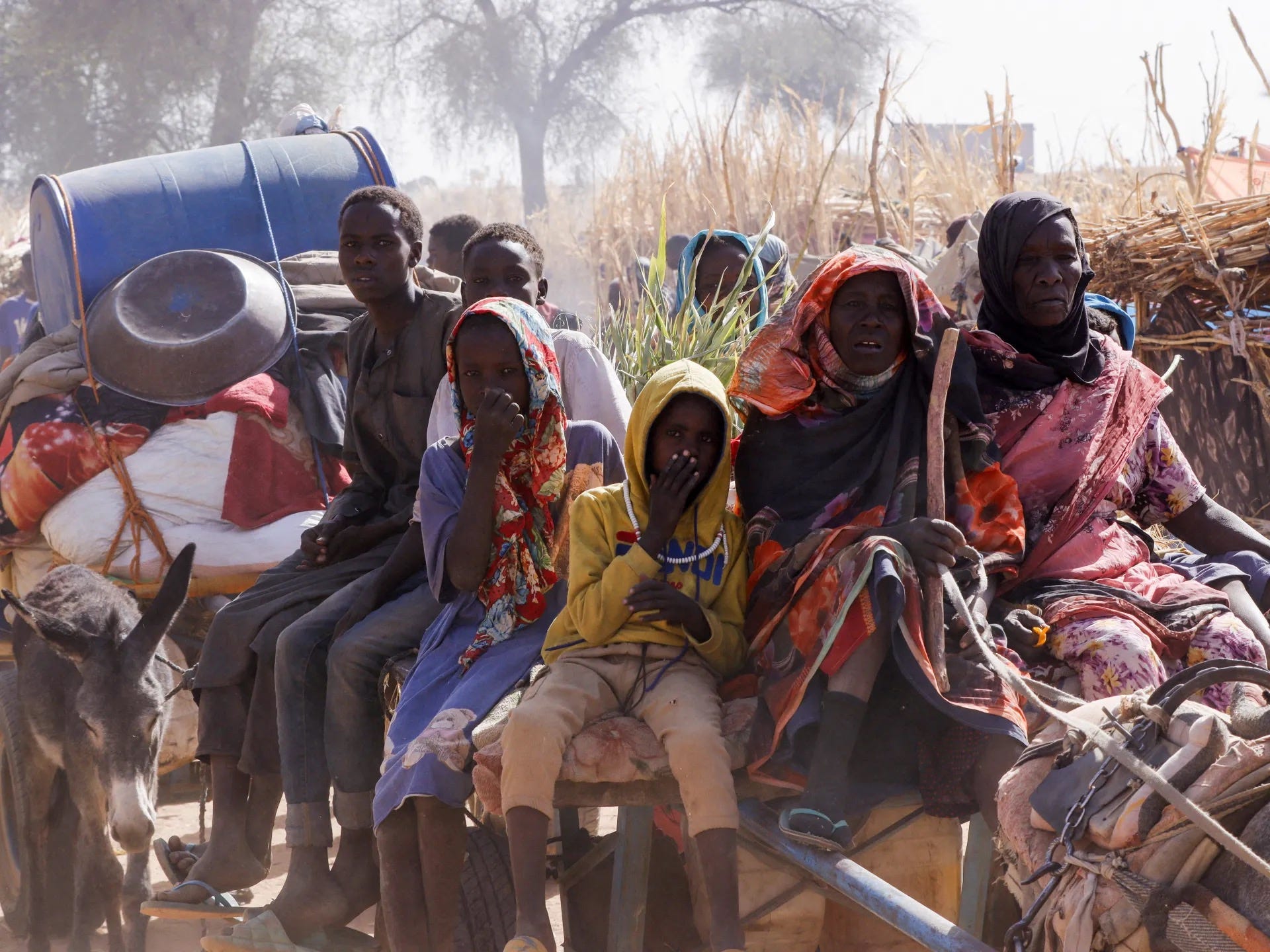
In April 2024, the roads into El Fasher began to close. At first, it was a few checkpoints. Then entire routes vanished from use. Convoys carrying aid were blocked. Relief workers were forced to turn around. One by one, the entry points became hard barriers. What had once been access became a dead end.
The Rapid Support Forces, supported by the United Arab Emirates, began a military campaign against El Fasher, the capital of North Darfur and the last significant place in Darfur that did not fall to the RSF. At the time, the city had been a sanctuary for thousands displaced by the war with two of the biggest IDP camps (internally displaced people) in the country: Zamzam and Abu Shok. With the tightening of the siege, El Fasher became a trap. Food deliveries stopped. Water sources ran dry. Health clinics shut their doors. The few remaining supplies already in the city began to dwindle quickly.
By May, the siege was complete. RSF forces had locked the city in from every direction. Snipers took positions outside the urban core. UN aid vehicles were burned on the roads. Local resistance groups attempting to bring in medicine and flour were intercepted. In some cases, even donkeys and camels used to carry goods through back paths were shot.
The bombing followed a routine rhythm. Survivors described it as a sound pattern they learned to anticipate: the whistle, the pause, the explosion. Homes, water tanks, displacement camps, and hospitals were all hit. Médecins Sans Frontières reported that one of the last functioning hospitals in the area was struck multiple times, killing both patients and health workers.
Over time, food shortages became starvation. Community kitchens began shutting down. There was no flour, no oil, no fuel. In some neighborhoods, families survived by boiling leaves or grinding tree bark. Children began collapsing in the streets. Animal feed meant for livestock became a substitute for meals. People stood in lines, not because food had arrived, but because there was still hope that it might.
By mid-2024, local emergency responders estimated that more than 80 percent of staple food stocks were gone.
The Coordination of Emergency Rooms in North Darfur released a public statement confirming what civilians already knew. El Fasher was being starved. They called for international intervention. They warned that waiting any longer would mean thousands of lives lost.
In Zamzam Camp, the situation became even more severe. The camp was fully surrounded. Mortality reports showed dozens of deaths per day. MSF confirmed that malnutrition levels had reached famine thresholds. Aid workers warned that they would soon be forced to start digging mass graves. And then ZamZam camp was raided and destroyed by the RSF.
Behind the siege was a web of support. RSF operations were made possible not just by their own ranks, but by a constant supply of foreign assistance. The United Arab Emirates supplied money, logistics, and military equipment. RSF fighters used vehicles and weapons tied to shipments traced back to UAE vendors. Flights arriving from Chad carried military goods under the label of humanitarian aid. Gold mined from RSF-controlled regions in Darfur was sold in markets across Dubai.
These links are not speculation. They have been documented. The weapons, the cargo, the gold all point to the same backers.
And yet, the world has not responded with urgency. The kind of global attention and funding that was mobilized quickly for Ukraine has been absent in Darfur. UN agencies continue to issue statements, but resources are limited. The African Union, despite statements of “concern”, has not intervened. This comes after the leader of the RSF, Mohammad Hamdan Dagalo met with multiple african leaders, with some of these nations taking bribes in the form of “loans” from the UAE to give logisitcal support to the RSF and political cover. Kenya , Tchad, and Puntland have all given logisitical support to the UAE’s genocide of the Sudanese people through the RSF. Tchad let them have fake aid distribution infastructure that was used to treated injured RSF fighters and smuggle more weapons into sudan. Kenya let them announce their illegitimate goverment in their capital Nairobi. Bosaso has been used to bring in weapons as well, and eastern Libya has the Emirati proxy General Haftar, the leader of the LNA militia and someone who provides not only military support in taking areas close to libya but also allows the UAE to send foreign mercenaries into sudan through eastern libya,like the colombian ex soldiers joining the RSF. All of that will be talked about more in another article I am working on.
Despite everything, local responders and emergency response rooms continue to work. Volunteer doctors, medics, and aid workers risk their lives to keep records. They track names, dates, injuries, and deaths. The resistance committees and community kitchens risk their lives everyday to make sure people live. They continue to write because documentation is a form of resistance. Silence, for them, is not an option. They continue to serve their people because them stopping is exactly what the UAE and RSF wants. The Sudanese spirits has continued to prevail against the criminal mercenaries and their criminal backers. But with no actual food and dwindling animal feed that people were eating, what can they possibly do.
Fifteen months since the siege began, El Fasher remains under attack. Shells still fall. Suicide drones still targeting civilians because all the hospitals they’ve attacked and shut down have not been enough. Roads are still blocked. The hunger continues.
But silence is not inevitable. People around the world can act. They can speak out. They can organize. They can push governments and companies to end their relationships with those enabling the siege (with the number one perpetrator being the UAE). They can demand that Darfur not be abandoned again.
El Fasher is being starved by force, and the people responsible are known.In Zamzam Camp. Mohamed Mokhtar, the 14-year-old aid worker who was killed. The families who died in hospitals. The children lost to hunger.They are not statistics or collateral , they are people. And they deserve justice. The people still there, who have been resisting the war of starvation in the middle of constant shelling by the RSF, who are now quickly approaching death from hunger deserve our swift action. Something must be done, and it is on us, especially those of us in the imperial core to mobilize and act.